


- FOMC minutes revealed a more hawkish tone among policymakers.
- Trump said talks with Iran were proceeding nicely.
- Iran met with Qatar to negotiate an end to their conflict.
Equities rallied on Monday amid growing optimism over a likely deal between the US and Iran to end their war. Progress in talks between the two countries has renewed hopes that the Strait of Hormuz will soon reopen. As a result, oil prices have collapsed since last, easing inflation worries.
The S&P 500 was retreating at the start of last week amid concerns about the impact of rising inflation. Data revealed that consumers and producers were experiencing a spike in prices. The inflation increase was driven by rising oil prices due to the Iran war. With hot inflation, higher borrowing costs follow.
After the CPI and PPI reports from the US, traders were pricing a bigger likelihood of a Fed rate hike this year. Moreover, FOMC minutes released on Wednesday revealed that policymakers were more open to tightening monetary policy to tame inflation. Increasing interest rates hurt businesses and would therefore be bearish for equities.
However, sentiment shifted after reports of progress in talks between the US and Iran. At first, Trump said he had called off strikes on Iran to give time for negotiations. On Wednesday, he said talks were at the final stages. He remained positive about these talks, saying on Monday that they were proceeding nicely.
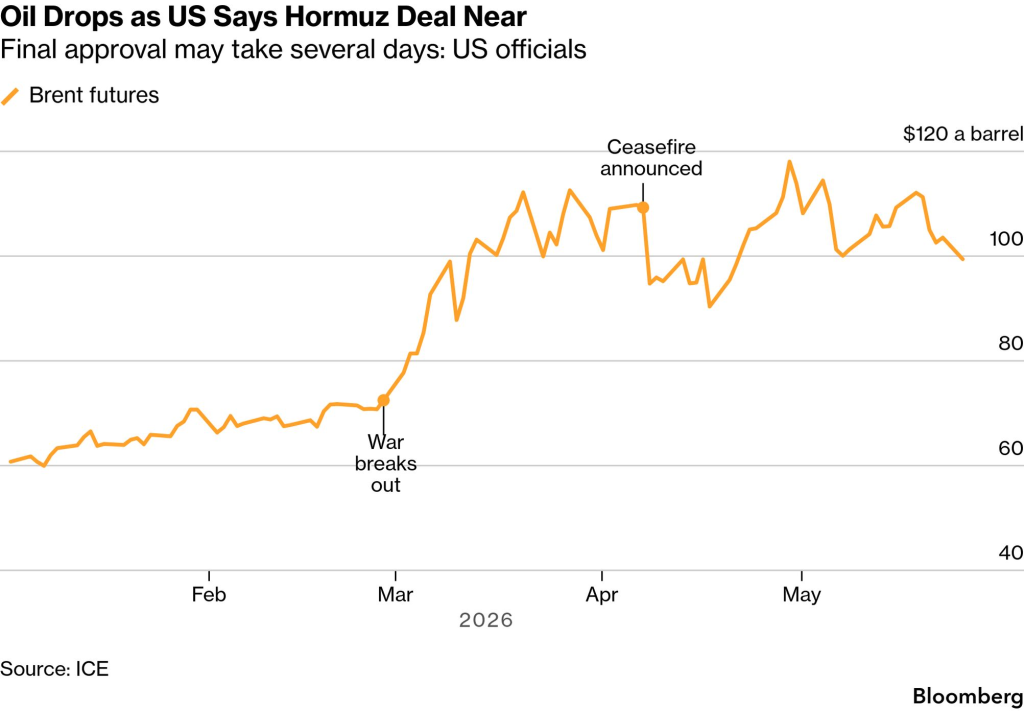
Brent futures (Source: ICE, Bloomberg)
Trump’s remarks from last week have weighed heavily on oil prices. Traders are now hoping the war will end soon and that Iran will reopen the Strait of Hormuz. Such a move would ease supply disruption and loosen the currently tight oil market.
Reports also revealed that Iran met with Qatar to negotiate an end to their conflict. With tensions easing in the Middle East, there is optimism about the future. Maybe the Fed will not have to tighten monetary policy if inflation cools. At the same time, businesses would get relief from expensive fuel prices that threatened to tip major economies into recessions.
Nevertheless, the future remains uncertain until there is a clear agreement. If this is not the case, the supply disruptions would continue, sending oil prices higher. This week, the US will release its core PCE price index figure, which will show the state of inflation. The number will shape the outlook for future Fed policy.