


- A tit for tat between the two nations, which left many oil tankers destroyed.
- The Houthis attacked oil facilities in Saudi Arabia.
- Market participants are eagerly awaiting the US CPI report due on Friday.
Oil prices soared on Wednesday as tensions in the Middle East worsened. The US and Iran hit several oil tankers while the Houthis attacked oil facilities in Saudi Arabia. Meanwhile, market participants are watching incoming US data for clues on the Fed’s monetary policy path.
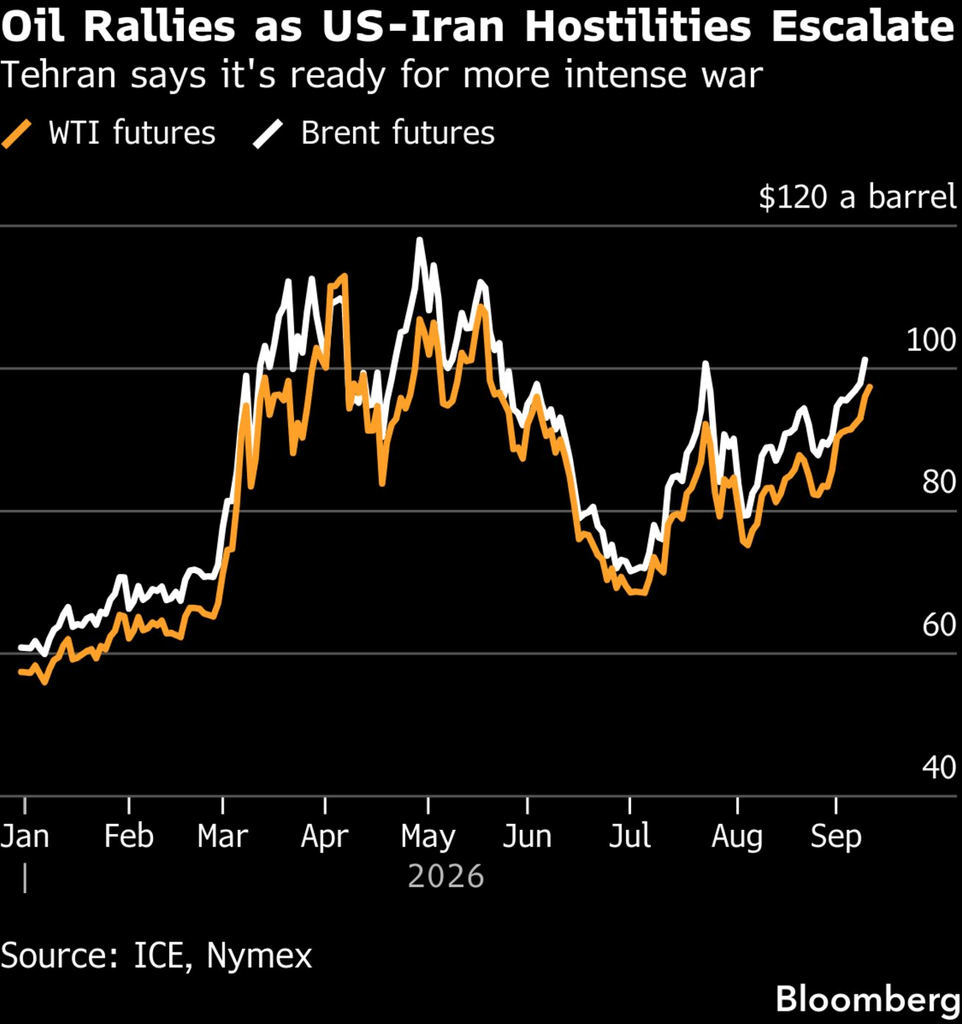
Oil futures (Source: ICE, Nymex)
The new conflict between the US and Iran has gradually escalated since last week to include other countries like Kuwait and Saudi Arabia. When economic sanctions were not having the intended effect, Trump went back to bombs and missiles.
The most recent development was a tit for tat between the two nations, which left many oil tankers destroyed.
“Iran continues to try to hit US naval ships. And, for every time they do that or try to do that, they’re going to lose tankers. And I think you’ll see that again today,” US Secretary of State Marco Rubio said on Tuesday.
At the same time, Iran’s allies, the Houthis, attacked oil facilities in Saudi Arabia. The destruction of the oil supply has further tightened the market, sending prices higher.
At the same time, the conflict has had a negative impact on the global economy. High fuel prices have increased the cost of living and doing business. Initially, these effects had started showing in US economic data. Employment was slowing down sharply, economic growth was below estimates, and consumer spending declined. However, the almost month-long pause with no fighting eased these worries.
Data on Friday revealed that the US economy added a bigger-than-expected 162,000 new jobs in August. The report eased worries about a declining labor market, boosting expectations for a Fed rate hike.
Unfortunately, September has ushered in a new wave of fighting that could put the global economy back to where it was. Economic weakness will eventually translate to poor demand for oil. In the long run, such developments could bring prices lower.
Furthermore, rising oil prices mean higher inflation, which will force central banks to tighten monetary policy. Higher borrowing costs will cool the economy and likely hurt demand for oil. Market participants are eagerly awaiting the US CPI report due on Friday. The data will shape the outlook for rate hikes. Currently, traders are pricing a 60% chance that the Fed will hike in September.