



- Trump rejected Iran’s proposal to reopen the Strait of Hormuz in seven days.
- US data on Wednesday showed that the core PCE price index rose 0.2%, missing the forecast of 0.3%.
- Economists believe the US economy added 89,000 new jobs in September.
Interest futures paused their recent collapse on Thursday as oil supply concerns eased after the damaged Saudi Arabian pipeline became operational. However, the recent rally in yields has weighed heavily on bonds and could continue amid geopolitical risks. Meanwhile, market participants are looking forward to the US monthly employment report for more clues on monetary policy.
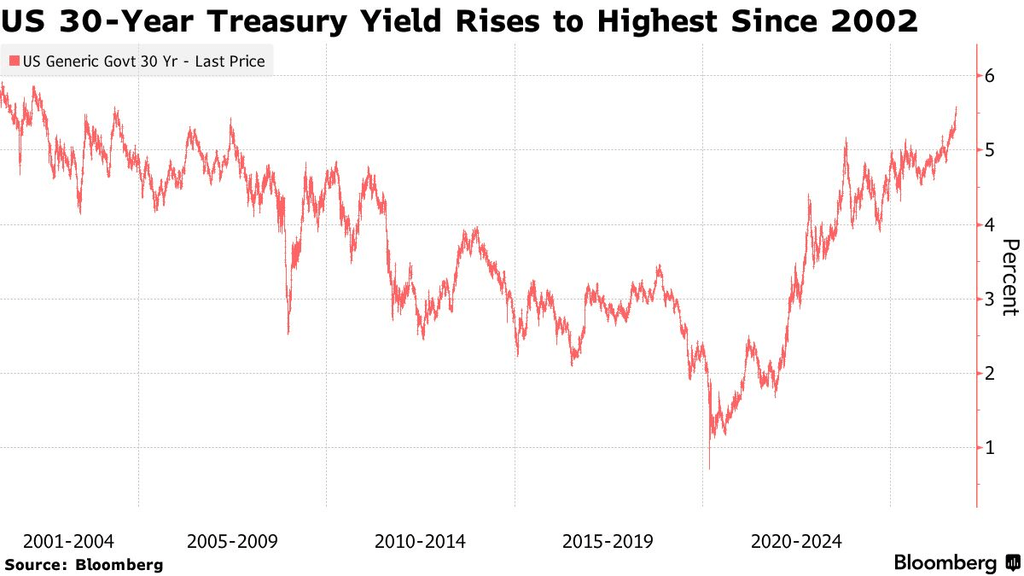
Yields rally (Source: Bloomberg)
By Friday last week, market participants were pricing a 75% chance of a Fed rate hike in October, up from 49%. The more hawkish outlook came after a failed attempt at peace talks between the US and Iran.
Their exchange during the UN meeting was hostile. Moreover, Trump rejected Iran’s proposal to reopen the Strait of Hormuz in seven days. All this resulted in a jump in oil prices, which increased inflation worries. Consequently, Fed rate-hike expectations increased, Treasury yields jumped, and interest futures fell.
Data released on Wednesday showed that the core PCE price index rose 0.2%, missing the forecast of 0.3%. The softer numbers eased a bit of pressure on the Fed to hike interest rates, and bets dropped slightly. However, fundamentals still point to a high risk of hotter inflation. Trump recently said that he would return to bombing Iran after the US midterm elections in November.
Furthermore, interest futures got some relief when reports on Thursday revealed that oil flows through the Strait of Hormuz had increased significantly. Notably, the damaged Saudi Arabian pipeline was open and operating at half its maximum capacity.
At the same time, the US military has worked tirelessly to ensure the continued export of oil through the coast of Oman. As a result, oil prices eased while interest futures recovered.
Elsewhere, the US is set to release its crucial monthly employment report. Economists believe the economy added 89,000 new jobs in September. This would be a big drop from the previous reading of 162,000. Anything lower would dampen rate hike expectations.
On the other hand, an upbeat report would give the Fed enough room to tighten monetary policy. Higher rates for longer would weigh on interest futures. Meanwhile, the unemployment rate will likely hold at 4.1%.