



- Data revealed the US economy added 162,000 jobs in August, beating the forecast of 55,000.
- The Houthis attacked energy facilities in Saudi Arabia, sending oil higher.
- The ECB and the BOJ are set to hike borrowing costs in September.
Gold fell on Tuesday, extending its decline from the previous session after an upbeat US jobs report increased Fed rate-hike expectations. At the same time, rising geopolitical tensions increased inflation worries. It recovered early Wednesday as market participants geared up for the US CPI report.
Since last week, tensions in the Middle East have driven oil prices higher and created significant market uncertainty. Downbeat US data had also left the dollar weak against its peers, with traders preferring other safe-haven assets like gold.
However, demand for the yellow metal was short-lived after Friday’s US jobs report sent Treasury yields higher. According to data, the US economy added 162,000 jobs in August, beating the forecast of 55,000. At the same time, the unemployment rate held steady at 4.1%, indicating a strong labor market.
The previous report had left investors worried that the Fed would have little room to raise interest rates. Therefore, Friday’s report renewed bets on a hawkish Fed. Higher borrowing costs increase the opportunity cost of holding gold. Traders prefer yielding assets like the dollar.
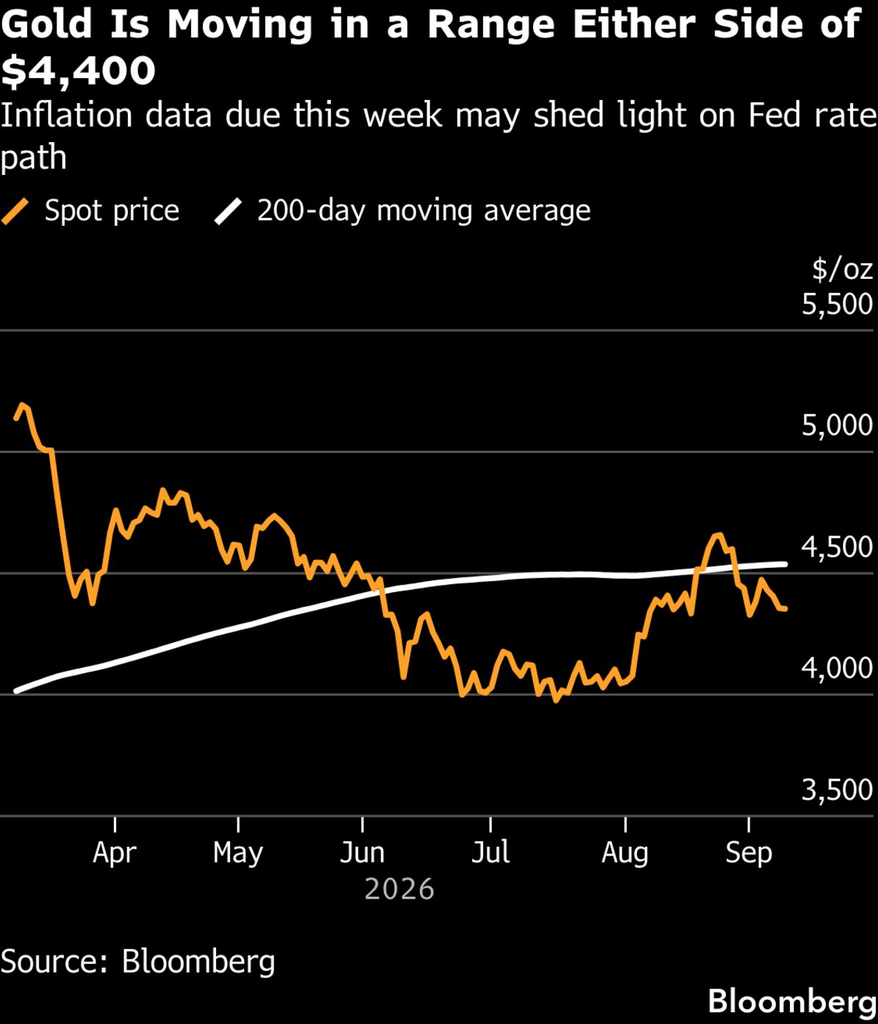
Gold (Source: Bloomberg)
The next key report will come out on Friday, showing the state of consumer inflation. An upbeat report will increase pressure on the Fed to hike interest rates. As a result, gold prices would suffer.
“The market continues to absorb the stronger-than-expected US jobs report and await upcoming CPI and PPI data, while higher oil prices are stoking inflation concerns and supporting expectations for a September rate hike,” said Peter Grant, vice president and senior metals strategist at Zaner Metals.
Elsewhere, reports revealed that Iran’s allies, the Houthis, attacked energy facilities in Saudi Arabia, sending oil prices higher. The conflict in the Middle East has grown since last week, with no end in sight. The continued destruction of energy facilities and supply disruptions will keep the oil market tight.
As prices rise, global inflation will spike, prompting a swift response from major central banks. The European Central Bank and the Bank of Japan are already set to hike borrowing costs in September. The Fed might follow suit. High borrowing costs around the globe will weigh heavily on gold prices.