




- US interest futures remain tight ahead of key NFP data releases, while geopolitics poses a risk of higher inflation.
- The probability of a rate cut in June has fallen to 31% from 50% a week ago.
- Long-dated SOFR futures still reveal a gradual decline in interest rates as the economy improves.
US interest futures didn’t change much on Friday as traders were cautious ahead of the February non-farm payrolls report and also factored in the inflation risks posed by the growing conflict between the US and Iran.
Short-term rate contracts linked to the Federal Reserve System’s policy outlook indicate that traders are losing faith in near-term rate cuts. Prices in the Federal Funds futures market indicate that investors are pushing back their expectations for the first rate cut amid concerns that geopolitical tensions could keep inflation high.
Since the US-Iran conflict has worsened, oil prices have risen sharply. This makes it more likely that higher energy costs will lead to higher inflation. For that reason, some traders have cut back on their bets that the Fed will quickly loosen policy, even though signs point to slower economic growth.
Federal funds futures for June and July indicate the policy rate is likely to remain close to current levels in the near term. This means markets think there is a lower chance of immediate easing. Before making major changes to their positions, traders are waiting for the labor market to confirm their views. The probability of a rate cut in the June meeting has drifted down to 31%, which was 50% a week ago.
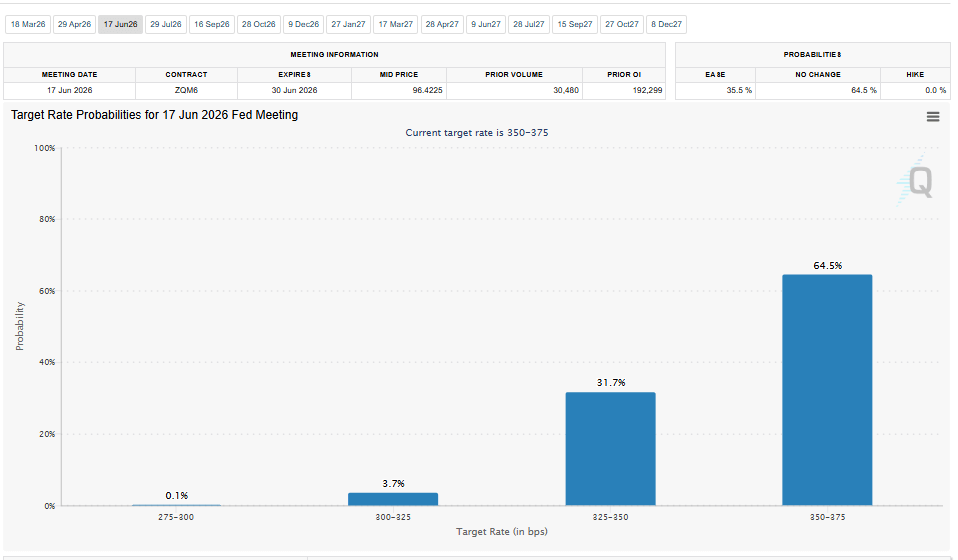
Longer-dated contracts tell a different story, though. Futures linked to the SOFR Futures curve still suggest that policy rates will gradually decline as the economy improves. But those hopes have been lowered in recent sessions because geopolitical risks make it harder to predict inflation.
The February NFP report, to be released later today, is now a major factor for interest rate markets. A strong payroll number would support the idea that the US economy is still resilient, which could cause short-term futures to price out early rate cuts.
On the other hand, a weaker labor market report could revive hopes that the Fed will start easing later this year, even though geopolitical tensions remain uncertain and the inflation outlook remains unclear.