


- Trump said talks with Iran were at the final stages.
- The UAE has constructed nearly 50% of a new pipeline.
- Fed policymakers are worried about inflation.
Oil collapsed on Wednesday after reports that US-Iran talks were at the final stages. The US called off attacks on Iran earlier this week to give room for negotiations. Elsewhere, the United Arab Emirates is working hard to construct a new pipeline that will pass near the Strait of Hormuz.
Oil prices have maintained an upward trajectory since the war between the US and Iran started. The closure of the Strait of Hormuz has caused significant supply disruptions that have tightened the market. Furthermore, talks between the US and Iran have stalled, with neither country ready to accept a peace proposal from the other.
As a result, the US has maintained its blockade of Iranian ports. At the same time, Iran has refused to open the Strait of Hormuz. Still, market participants remain hopeful that the stalemate will end and oil supplies will resume.
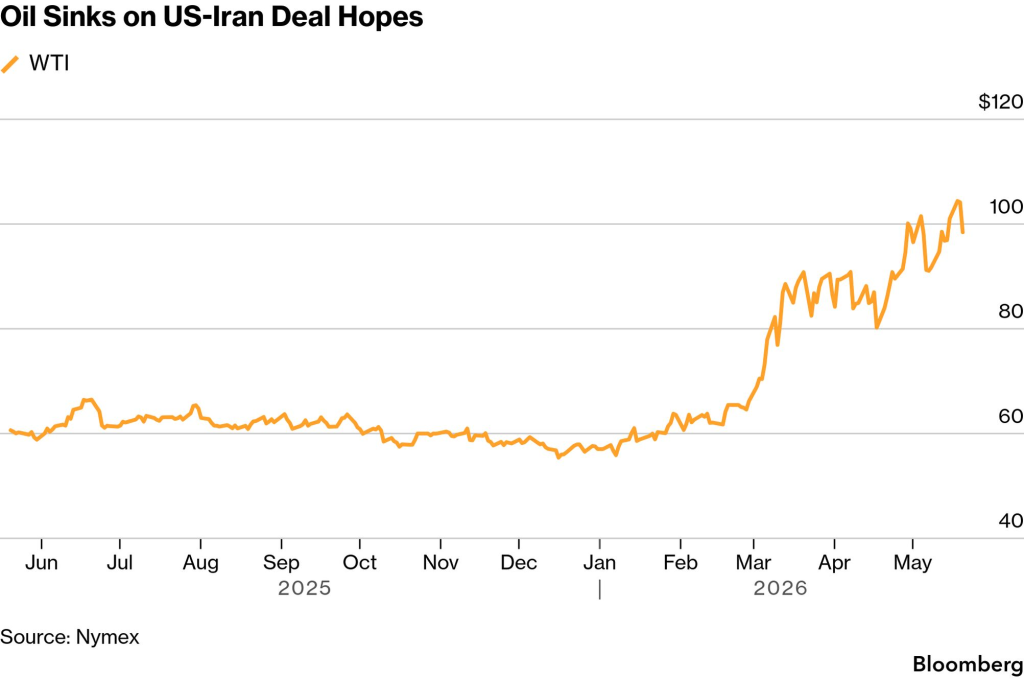
On Wednesday, oil fell after Trump said talks with Iran were at the final stages. This followed reports earlier in the week that the US had paused strikes on Iran to give time for talks. However, some experts believe Iran might keep the Strait closed for longer.
“It appears increasingly likely, in our view, that the Iranian regime will disrupt SoH flows for some time,” Citi analysts told clients.
Elsewhere, the United Arab Emirates announced that it had constructed nearly 50% of a new pipeline that will bypass the Strait of Hormuz. According to the country, this new chokepoint will be completed in 2027. It would allow the oil-producing nation to resume its exports and depend less on the Strait of Hormuz.
Meanwhile, the US summer driving season is quickly approaching, and demand for oil is set to increase. However, the supply disruptions in Iran have caused a drop in inventories in most countries. An increase in demand amid low inventories will likely push prices higher.
On data, market participants are still absorbing the US inflation surprise. Traders are now pricing a Fed rate hike this year. The rally in oil has increased price pressures on consumers and producers. If this trend continues, inflation will keep rising. Notably, the FOMC meeting minutes released on Wednesday revealed that policymakers are worried about inflation. As a result, more of them are ready to hike interest rates. Higher borrowing costs would also reduce demand for oil, putting downward pressure on prices.