



- US interest futures remain cautious as sour market sentiment pours water on rate cut odds in 2026.
- The risk of a resurgence in inflation keeps investors concerned as energy prices shoot up amid the US-Iran war.
- Market participants await the US GDP and the Core PCE Index for further impetus.
US interest futures are showing a cautious view of Federal Reserve policy as geopolitical tensions and rising oil prices change investors’ expectations from both short- and long-term contracts.
30-Day Federal Funds futures (ZQ) track expectations for the Fed’s policy rate. Traders have lowered their hopes for quick rate cuts as energy prices have gone up. The futures markets have quickly changed the odds on policy, and the chances of no Federal Reserve rate cuts this year have risen as investors rethink the inflation outlook. Three-month SOFR futures (SR3) are also an important way to set prices for interest-rate risk in the dollar funding market.
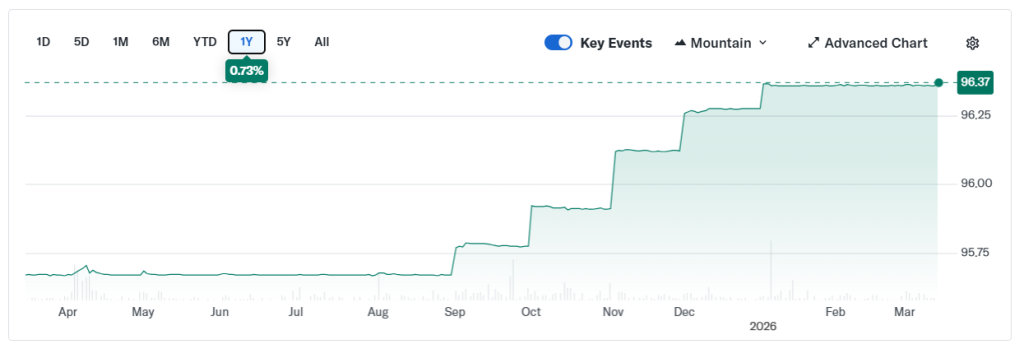
The prices of these short-term contracts have become more unstable since the US-Iran conflict got worse. Oil prices have shot back up above $100 per barrel because of problems with energy infrastructure and shipping routes in the Middle East. This situation has raised worries about inflation rising again.
Further out on the curve, longer-dated interest rates and Treasury futures, such as 10-year Treasury Note futures (ZN) and 30-Year Treasury Bond futures (ZB), still show expectations that monetary policy might ease up once inflation levels off and growth slows down. These contracts usually react more to long-term macroeconomic expectations than to short-term policy decisions.
The difference between short-term rate futures and longer-dated Treasury contracts shows how uncertain the US monetary policy path is right now. The Iran conflict has caused oil prices to rise, which is making it harder for the Federal Reserve to predict inflation and may delay any move toward easing policy.
For now, futures markets show that traders expect the Federal Reserve to stay cautious in the near term. However, longer-dated contracts are still pricing in a return to normal policy once geopolitical risks and inflationary pressures caused by energy prices go down. Market participants will be eager to watch today’s US GDP and Core PCE Index data for further guidance on monetary policy expectations.