


- Oil prices are rising amid geopolitical tensions, especially between the US and Iran, which could lead to further volatility.
- Despite recent inventory builds and signs of oversupply, OPEC+ remains optimistic but plans to review production in March.
- While short-term risks in the Middle East may cause price spikes, strong non-OPEC supply could eventually push prices lower.
Crude oil futures edge higher on geopolitical jitters, with WTI near $65 and Brent around $70 per barrel. This follows a choppy period as markets weigh near-term risks against the backdrop of oversupply.
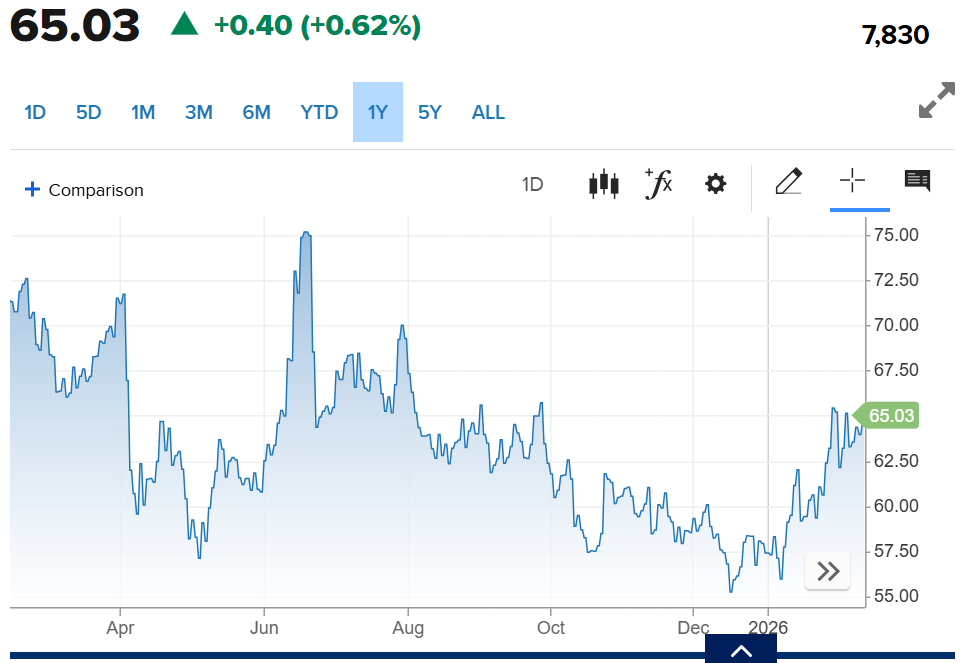
Tensions between the US and Iran still drive prices in the short term. Talks of possible US military actions in the Middle East, like sending more carrier groups and threatening Iranian tanker traffic, keep adding a risk premium. The Strait of Hormuz is a key chokepoint for global oil flows. If tensions worsen, prices could rise to $70 or more in weeks.
But supply paints a bearish picture. The latest Weekly Petroleum Status Report from the EIA, released on February 11 for the week ending February 6, showed commercial crude oil inventories rose by 8.5 million barrels to 428.8 million barrels. Analysts had expected only a small draw or build, around -0.2 million to +0.8 million barrels. This rise is among the largest in a long time.
US crude stocks are about 3% lower than the five-year average for this season. The sharp rise, after last week’s 3.5 million barrel drop, shows that refinery runs are slightly slowing to 16.0 million barrels per day. Imports are stronger than production. Cushing, Oklahoma, the main delivery hub, saw stocks rise by 1.1 million barrels.
OPEC+ will wait until March to raise production again. A major meeting in early March will decide April’s plans. The cartel remains positive about demand, but the EIA’s Short-Term Energy Outlook says global surpluses will persist. Brent will average $58 this year and drop to $53 in 2027 as inventories grow.
For traders and industry followers, it’s a classic split-screen view. News from the Middle East could cause short, sharp spikes, but the US, Brazil, Guyana, and other countries that aren’t part of OPEC have significant oil reserves, which could limit upside and bring prices down over time. If disruptions stay contained, prices could test the mid-$50s.
The next few weeks will be critical, especially as OPEC+ decides and developments unfold in Iran. With so many market participants, price changes are certain, keeping everyone on edge, from pump prices to portfolios.