



- Trump agreed to a two-week ceasefire.
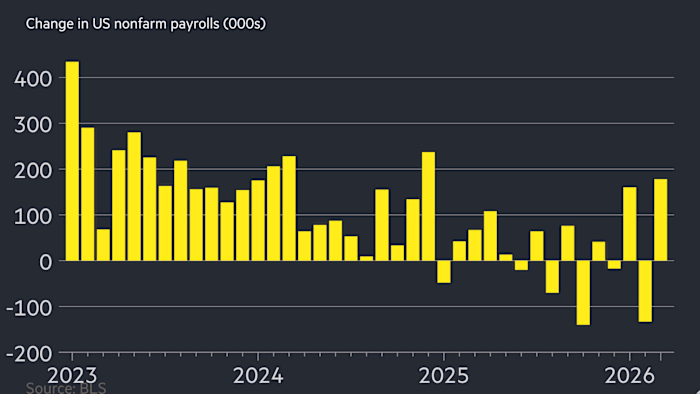
- US data last week pointed to a sharp rebound in the labor market.
- The US will release crucial inflation figures this week.
Gold rebounded on Wednesday after Trump agreed to a two-week ceasefire. This put a brief pause to the war between the US and Iran. The news came as a relief to investors who were worried about rising oil prices. Meanwhile, market participants eagerly await US inflation data due on Friday.
In the previous sessions, gold remained mostly range-bound with little activity amid cautious trading. Traders have exercised considerable caution amid the Trump administration’s Iran deal deadline. The US president threatened extreme measures and an escalation in the war if they did not reach a deal by Wednesday. Tensions eased, and gold jumped after reports of the two-week extension. Still, for a favorable outcome, Iran must agree to open the Strait of Hormuz.
“This is a knee-jerk relief rally, and it remains to be seen if Iran complies,” independent metals trader Tai Wong said.
The closure of the Strait of Hormuz has disrupted oil supply, causing a spike in prices. Higher oil prices are bad for the US economy, which could overheat, forcing the Federal Reserve to step in. Higher inflation would be positive for gold, which is considered a hedge against price spikes. However, traders have often preferred yielding assets, such as the dollar, in periods of higher inflation.
As the price of basic goods and services increases, the Fed will likely step in to cool the economy. This means higher interest rates, which favor yielding assets. Meanwhile, demand for the non-yielding gold would drop.
Source: Bureau of Labor Statistics
Already, US data last week pointed to a sharp labor market rebound. The economy added a bigger-than-expected 178,000 jobs in March. Economists had expected 65,000 new jobs. At the same time, the unemployment rate eased from 4.4% to 4.3%. A strong labor market is bullish for the dollar. Meanwhile, gold eased as it became more expensive for foreign buyers to purchase.
Market participants are also awaiting the FOMC meeting minutes for clues on future policy moves. At the same time, the US will release crucial inflation figures, including the core PCE price index and the consumer price index. Economists expect the headline inflation figure to jump from 2.4% to 3.4%. Such an outcome would put more pressure on gold prices.