



- Gold futures stay unusually high as the US-EU conflict over Greenland escalates.
- Sell America trade further fuels the gold rally, triggered by geopolitics.
- A potential pullback could occur if US Core PCE or Q3 GDP data beat expectations.
Gold futures’ recent leg higher is being driven by an unusually concentrated mix of politics, policy, and positioning. The immediate catalyst is President Trump’s hard line on acquiring Greenland and his threats of aggressive tariffs on multiple European allies, including a 200% levy on French wine and champagne.
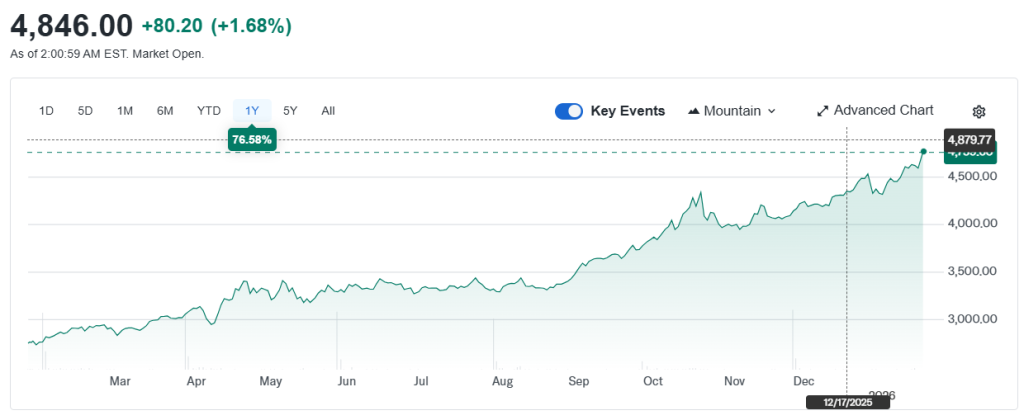
Markets are reading this as a serious risk of a renewed US–Europe trade war, not just headline noise. The result has been a sharp selloff in US equities and a jump in volatility, pushing investors back into classic havens, with gold futures at the top of that list.
The “Sell America” trade has also resurfaced as investors are selling the US Dollar amid concerns about tariffs, coercive diplomacy, and the risk of military action around Greenland. The Dollar Index (DXY) has dropped towards recent lows as money moves out of US assets, such as stocks and Treasuries. A weaker dollar makes gold cheaper for investors outside the US, since it is priced in dollars. It tends to increase the amount of money flowing into futures contracts as traders seek leveraged exposure.
This rally isn’t just about the latest news from Washington regarding structure. It sits atop years of rising global debt, growing doubts about fiat currencies, and a steady increase in central bank gold reserves, especially in emerging markets. The freezing of Russian reserves after the invasion of Ukraine led investors to fear that dollar assets could be politically vulnerable, prompting a cautious move into gold. That background helps explain why every new geopolitical shock pushes gold futures to new highs rather than one-time spikes that quickly fade.
In the near term, the main risk to the rally is a meaningful rebound in the dollar, potentially triggered by a stronger-than-expected read on upcoming PCE inflation and GDP figures. Moreover, any clear de-escalation on tariffs or a credible diplomatic path on Greenland and other flashpoints would also cool safe‑haven demand.
Also, if central banks slow or reverse net purchases after recent gains pushed their gold weightings above target, one of the strongest pillars of this bull market would weaken. Until one or more of these brakes materialize, pullbacks in futures are more likely to be seen as buying opportunities than the start of a lasting reversal.