

Introduction Working with the OneUp Trader program platform daily, I thought I’d share what the dashboard looks like, how it works, and the features it offers. If you’re considering a funded trading program or just curious about how these platforms operate, here’s an honest walkthrough of the OneUp Trader dashboard. The dashboard is where traders Read More…
Tag: Future Trading Strategies
Where Will NASDAQ (NQ) Go Now After Ceasefire?
Introduction Nasdaq futures have bounced 10% from their recent low after the news of a ceasefire in the Middle East. This has given the bulls a boost as price is currently trading above both the 50 and 200 moving average. There was a recent death cross where the 50 moved below the 200, but as Read More…
Dollar (DXY) Technical Analysis – 8 April 2026
Introduction The dollar is still trading inside a broad range, but the recent price action is starting to lean weaker after the ceasefire in the Middle East. After pushing up toward the 100–101 area, DXY has failed to hold those gains and is now drifting back lower. This is the same zone that has acted Read More…
Gold Rallies as US-Iran Reach a Ceasefire Deal
Gold rebounded on Wednesday after Trump agreed to a two-week ceasefire. This put a brief pause to the war between the US and Iran. The news came as a relief to investors who were worried about rising oil prices. Meanwhile, market participants eagerly await US inflation data due on Friday. In the previous sessions, gold Read More…
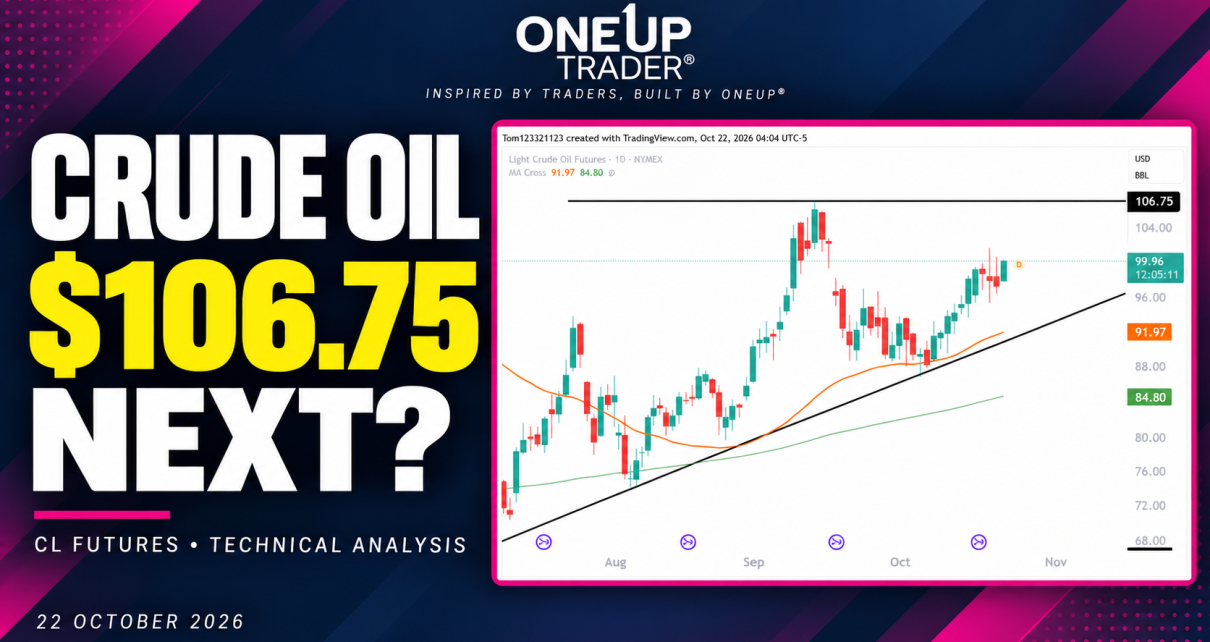
Crude Oil (CL) Technicals Post Cease Fire In Middle East
Introduction Crude oil has shifted quickly from a clean uptrend into a sharp corrective move, with price dropping roughly 15% following news of a ceasefire in the Middle East. The Strait of Hormuz has been open for two weeks, allowing the Oil ships to exit and enter the region. This has given some hope to Read More…
The Ultimate Beginner’s Guide to Moving Average Strategies
Introduction A moving average is a widely used indicator in technical analysis that helps smooth out price action by filtering out the “noise” caused by random price fluctuations. It is considered a trend-following, or lagging, indicator because it is based on past price data rather than predicting future movements. The two most common types of Read More…